The Overwintering: on generations, media, and goodness without a price list
A stork that did not fly south. A plant watered to death. Fourteen frames that add up to one sentence about generations, media, and goodness without a price list.
The question “is it hard today, or maybe easy” is usually asked so that one can answer it oneself and close the conversation. The answer is: both, but not in the proportions we like.
The stork
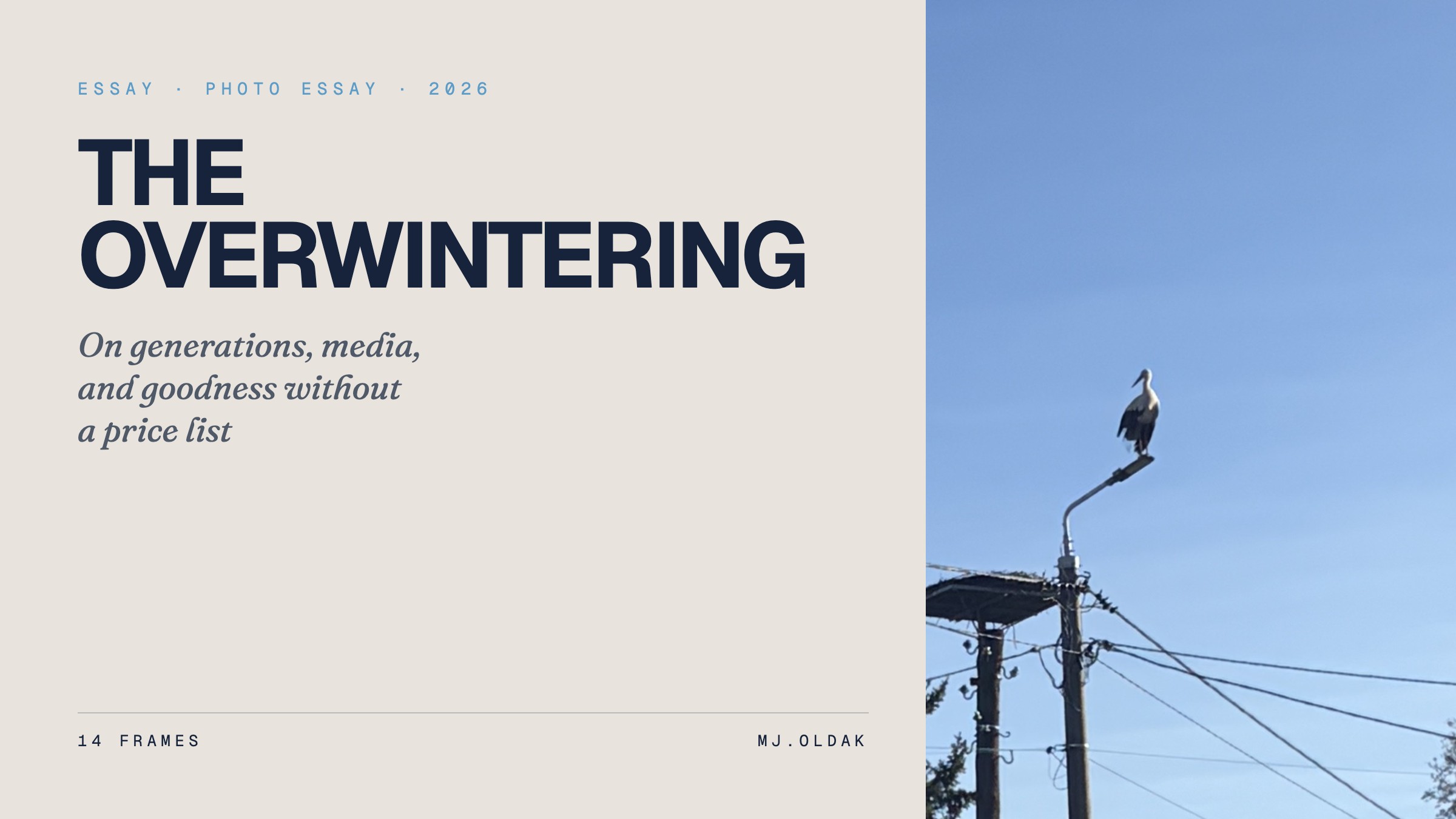
In January, in a field on the left side of the road, stood a stork. It was not flying, not feeding, not doing anything a stork does in that month. It stood on one leg, then the other, and looked like a bird that had missed its departure and decided to make a way of life out of it.
People came with binoculars and offered three explanations: milder winters, feeding at the fish ponds, weaker individuals that could not make the flight. None of them answered the question that seemed simplest. Why this one stayed.
At the Seventh International White Stork Census, in 2014, 42–43 thousand breeding pairs were counted in Poland — according to PTOP data published in the brochure of the Stork LIFE programme. This bird is ours in a way that is hard to suspect of a national symbol: one of the largest populations in the world nests here. In winter it is African. It comes back because it has a nest from its parents, and it repairs that nest every year, adding one twig.
An overwintering stork in Poland is therefore more than a natural-history curiosity. It is evidence that the rule has an exception, and that the exception does not have to be worse. It may simply be different, and the cost of that difference will be paid in February, when the frost comes and there is nowhere to go back to.
Hard or easy
Easy, because the things previous generations fought for are now available in one click. Travel, knowledge, a doctor, work abroad, contact with family on another continent — everything that for a person born in 1950 was an event of a lifetime is now a function in a phone. My father saw the sea for the first time at twenty-seven. I can see it at any moment, in high resolution, and usually I do not have time.
Hard, because access is not the same as possibility, and possibility is not the same as meaning. A person who has everything within reach also has everything within comparison. He no longer compares himself with the neighbor from the same village who has exactly as much. He compares himself with the people who won, and he does it daily, in a way that cannot be switched off without leaving social life altogether.
This is not a new difficulty. What is new is that there is no longer an evening that interrupts it. Once, at ten o’clock, the lights went out, the day ended and the news ended. Today the news does not go out, because it has no switch. It glows in a pocket, at night, by the bed, and wakes a person with a notification about how many days in a row he has practiced breathing.
Watering
At the flower shop by the station I bought a fuchsia for eighteen złoty. The tag had a drawing of a watering can and a sentence: water once a week, do not overwater. I watered it every day, because the leaves looked tired and I have a tendency to fix the world by feel. After three weeks the plant turned yellow, after four it collapsed, and the seller to whom I brought the pot said one word: overwatered.
The story is banal, and that is exactly why it is useful. Excess care is a form of neglect; it is just harder to prove, because it looks like love. A parent who gives a child everything he himself lacked gives a double dose: the object, and the fear that the object is not enough. The child gets a bike, a course, tutoring and a phone, and then hears that he must try harder, because his parents never had as much as he does. Nobody here is wicked. Everybody is watering.
At the scale of a state it looks the same, only the pot is invisible. A programme that removes every risk from life produces people who cannot risk anything, and then calls them entitled. A school that deletes failure from the curriculum produces adults for whom the first stumble is the end of the world. A culture that says “take care of yourself” then sells them an app for taking care of themselves, because taking care of yourself without an app has no interface.
A plant cannot be saved by increasing the dose. Neither can a person.
The drive
The drive for self-improvement has one property that the self-improvement industry does not mention: it is infinite by definition. If the goal is a better version of yourself, then every day is evidence that you are not it yet. The app that shows you this does not sell a method. It sells the distance.
FOMO is not a side effect of that drive. It is its fuel. You are afraid of falling behind, so you improve; the more you improve, the more you see people who are further ahead; the more you see them, the greater your fear. The loop requires no ill will. It requires only that comparison stays within reach, and it does: in a pocket, at 5:41, before breakfast.
The numbers show what the loop stands on. In 2024, according to the GUS release “Information society in Poland 2024” of 21 October 2024, 95.9 per cent of households in Poland had internet access. In the same survey, 48.8 per cent of people aged 16–74 had basic or above basic digital skills. The first number says that the door is nearly universal. The second says that fewer than half have the key. In a place where the door is everywhere and the operation is partial, the loudest voices are those who have both, and everyone else takes them for the norm.
This is a mechanism that explains more than the psychology of an individual. We are not a society of people who cannot stop comparing themselves. We are a society in which comparison is free, instant, and designed to come back.
Pictures
On a profile I have followed for years, a photograph from a funeral appeared. A square, a tight crop, a coffin, a face, flowers, somebody’s hand adjusting a collar. Forty-one comments underneath within an hour. The most common: “beautiful.” Then “in tears.” Then a heart.
I am not saying this is bad. I am saying it is new, and that newness has consequences we do not see, because we are inside it.
The algorithm does not measure a relationship. It measures a reaction. A person who becomes a reaction becomes a unit of attention: he has reach, conversion, statistics, but he no longer has presence, because presence leaves no data. Social media did not turn people into pictures out of malice. They did it because a picture is the only form that can be counted. A funeral photograph seen by ten thousand people is more real inside that system than a funeral attended by twenty people, none of whom took out a phone.
I have a group chat with people I have not seen in five years. We talk every day. I know what they ate, where they went, what their kitchen looks like after the renovation. I do not know whether they are happy. That question does not pass through the format in which we know each other.
And here is the sentence nobody usually says: this is not the algorithm’s fault. The algorithm does exactly what it was built to do — maximize attention. The fault belongs to whoever believed that attention is the measure of a person.
Generations
When I hear the sentence “why don’t you understand us, older generation,” I hear it in both directions. The young do not understand the old, the old do not understand the young, and both sides feel they are talking to a wall. The feeling is justified, but the cause is not what it seems.
According to GUS, the old-age dependency index in Poland stood at 141 at the end of 2024. The publication on population size and structure states it explicitly: for every hundred “grandchildren” aged 0–14 there are one hundred and forty-one “grandparents” aged 65 and over. The difference between the two populations is 2.2 million people — it follows from the same publication. The total fertility rate in 2023 fell to 1.16 — GUS reports it in “The demographic situation of Poland 2023–2024.”
The older generation is not a margin. It is two million two hundred thousand people larger than the children. The world people born before 1960 grew up in spoke their language, because there were more of them and they had nests. The world that arrived after 2010 speaks the language of those on the screen, because the screen does not count age, it counts clicks. Nobody excluded anybody. The number changed, and the medium changed.
That is why “you don’t understand us” is not a sentence about intelligence. It is a sentence about numbers and channels. The old man buying two hundred grams of ham and slipping his wallet into his jacket pocket, and the twenty-year-old filming his breakfast, are doing the same thing: proving that they exist. One does it in a shop, the other in a frame. The shop has no algorithm; the frame has no smell. Everyone uses what he has.
This is not bad. It is part of a larger picture in which generations do not talk to each other because they speak from two different infrastructures. Conversation returns when somebody crosses to the other side — not to persuade, but to see what a day looks like there. It usually turns out to look similar, only with a different interface.
The bill
You can approach the question of why it is worth being a good person from two sides: benefit and the bill.
From benefit comes a banality. Goodness pays, because people reciprocate, because trust lowers transaction costs, because reputation is capital. That is true. It is also the sentence from a presentation somebody gave at a conference, and nobody in the room asked who pays for implementing that claim.
From the bill it looks worse. Goodness costs upfront and offers no guarantee of return. Silence is cheaper. Not getting involved, not helping, not calling — each has a lower immediate cost and leaves no invoice. A person who helps pays in time, money, peace of mind, and sometimes loses a job or a friend. I know of no case in which goodness paid back on time. I know of cases in which somebody helped and never found out, and that is probably the purest form of the transaction.
The second option is cheaper, and that is why it wins in the short run. In the long run it loses for one reason: a person who always chooses it has no criterion left except price. And whoever is guided by price alone is an excellent customer and a bad human being, and sooner or later he meets somebody who also counts only cost.
It is worth being good not because it pays. It is worth it because it is the only thing I know that cannot be optimized without losing its content. You can optimize work, sleep, diet, a calendar, even grief — there are apps for grief. Goodness cannot be shortened. If you reduce it to a procedure, it stops being good and becomes customer service.
And here is the answer to why it sometimes costs more than the other option. It costs more because there is no scale on which it can be measured. Measurable things can be improved. Unmeasurable things have to be chosen. Goodness is a choice that leaves no data, which is why it cannot be sold, optimized, or shown on a chart. It remains the only thing you do without proof that it is worth doing.
Who this is for
This text is for people I have not seen in a long time, or will never see. For classmates who have different surnames now. For the man I worked with for three months in 2011 whose name I have forgotten, though I remember he lent me twenty złoty for a ticket. For those who left and will not come back, and those who stayed and will not leave.
I am not writing to persuade them. I have no interest in them. I am writing because I have the impression that all of us share one experience nobody mentions at any conference: we live in a time when it is easier than ever to have everything, and harder than ever to know what we want.
In February the stork was still there. The frost came twice, then eased. Somebody put a bowl of fish scraps by the ditch, somebody called the ornithologists, somebody took a photograph that collected two thousand likes and one comment: “hope it survives.” The stork did not read it. In March it began carrying twigs to a pole nobody had prepared for it.
I do not know whether it will survive the summer. I know nobody promised it anything, and it rebuilt the nest anyway.
Appendix: fourteen frames
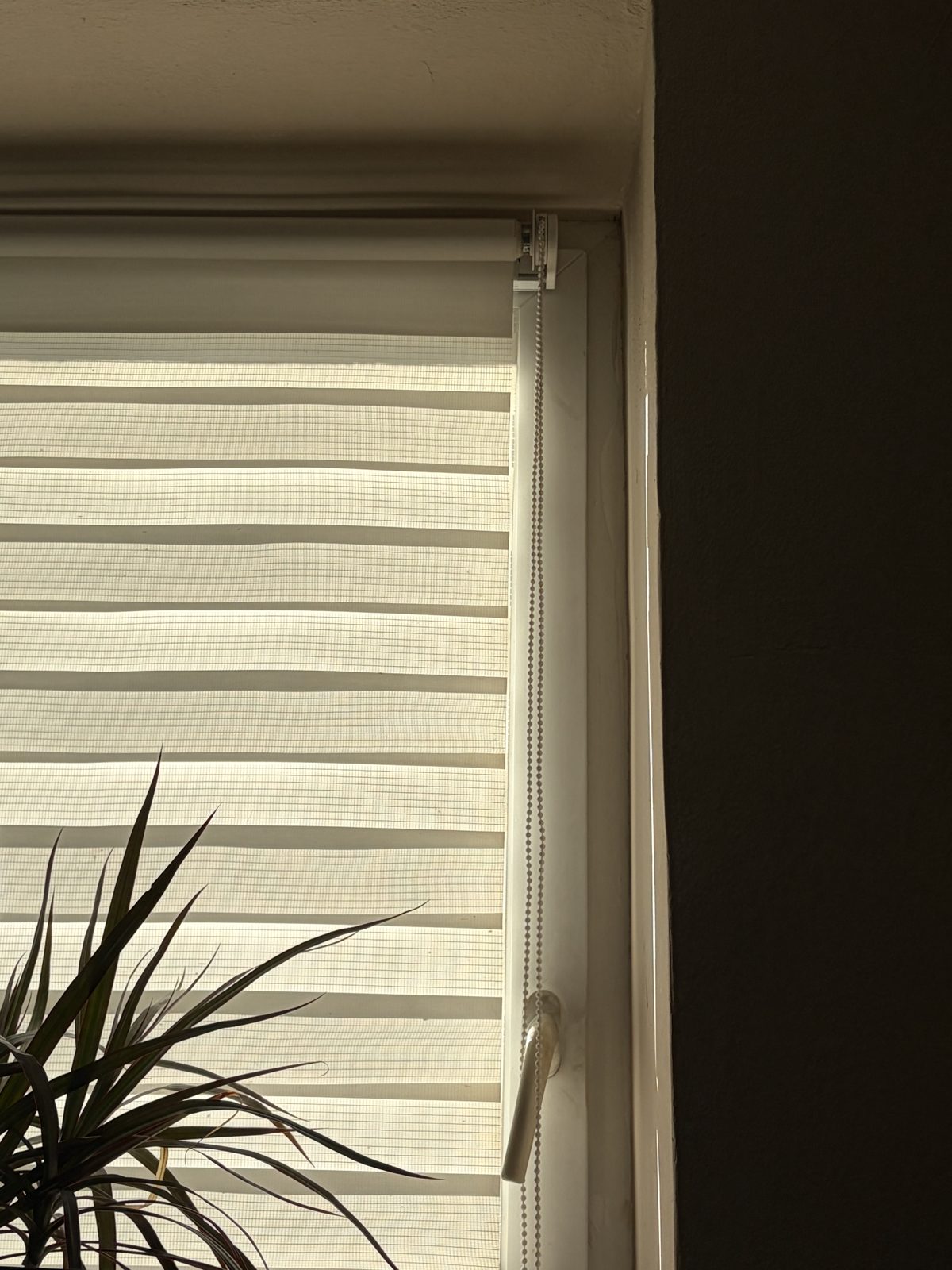
Photographs that were not taken for this text. Put together, they share a denominator: everything in them is either left behind or adapted. Each one carries its own date; I do not.
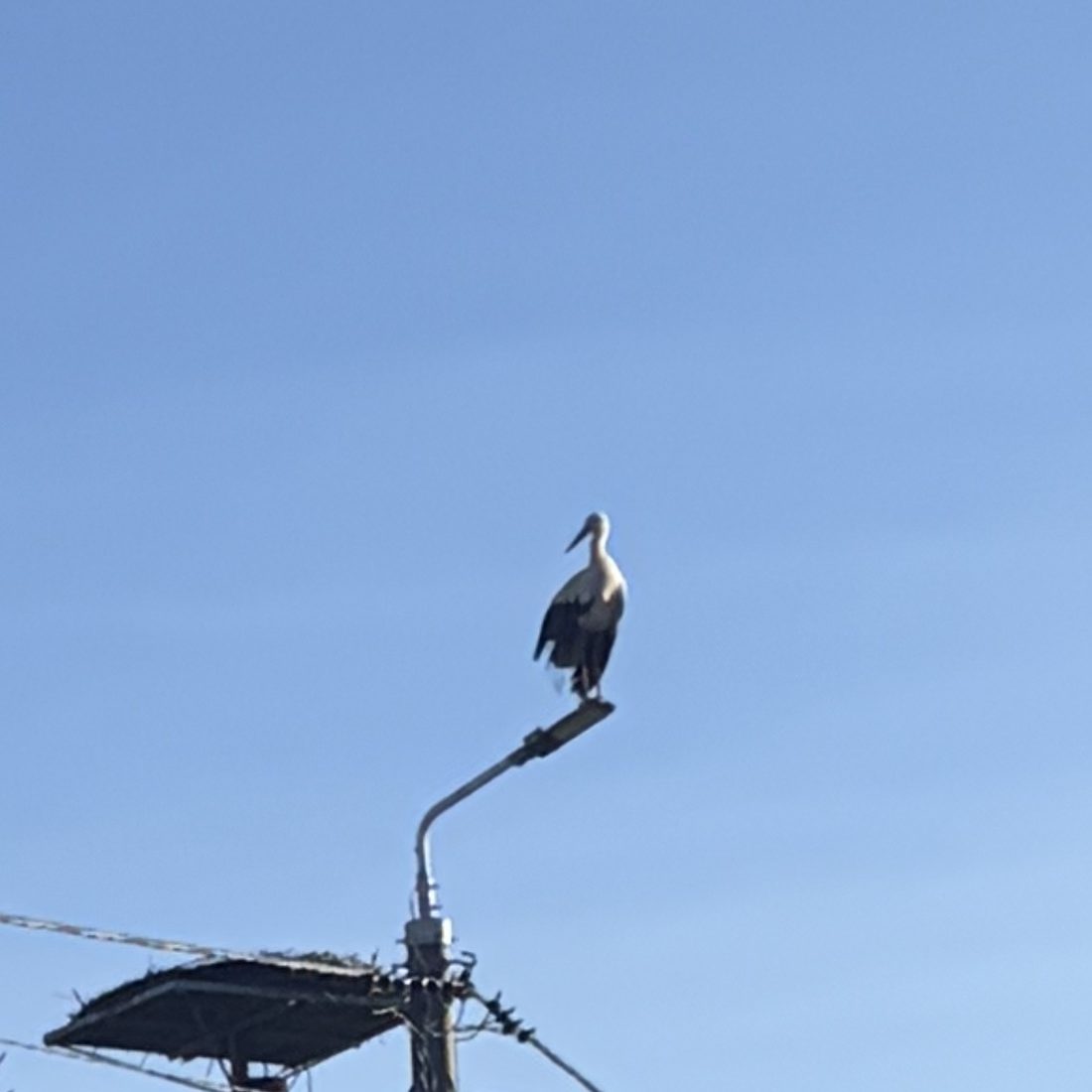
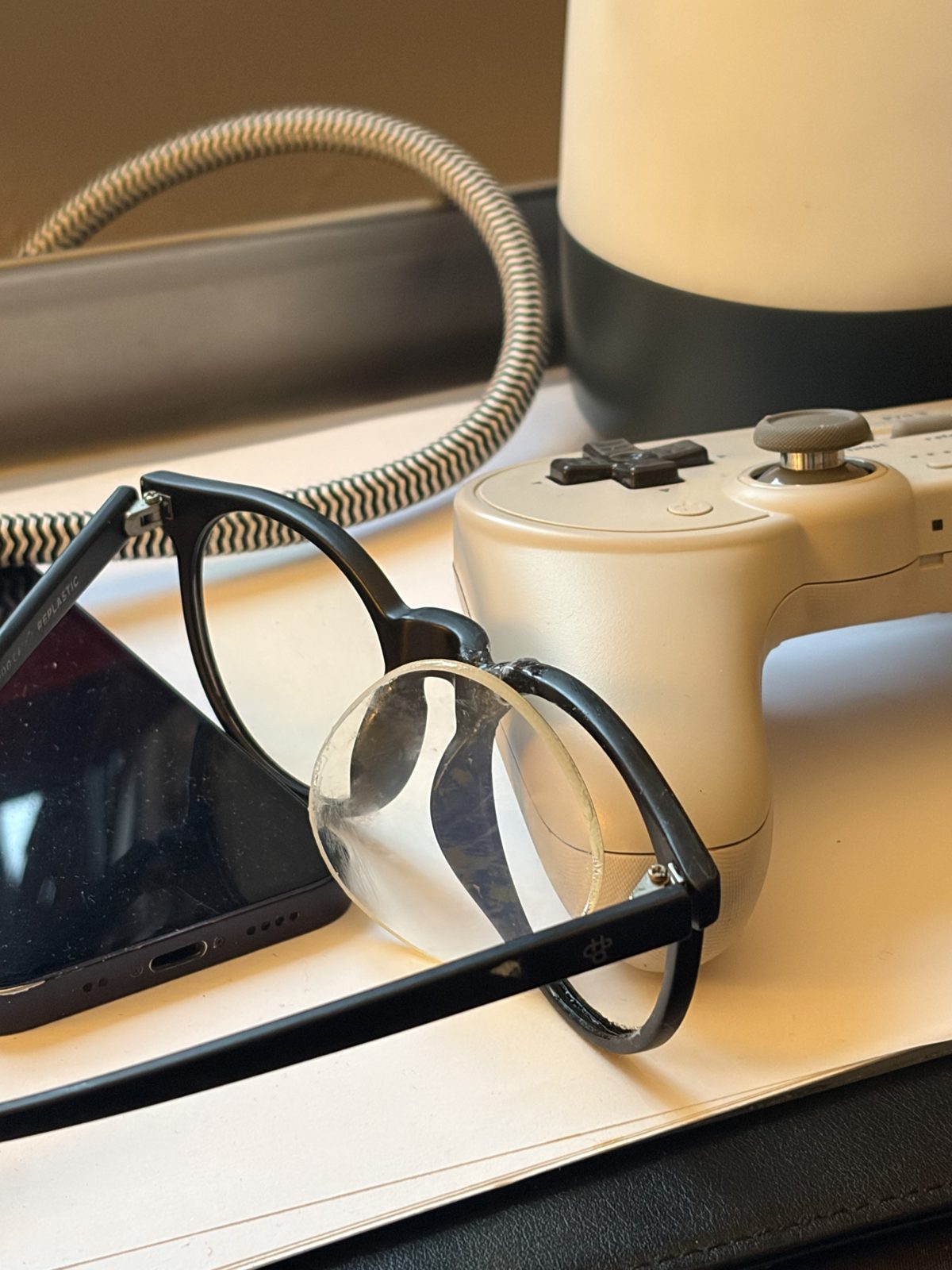
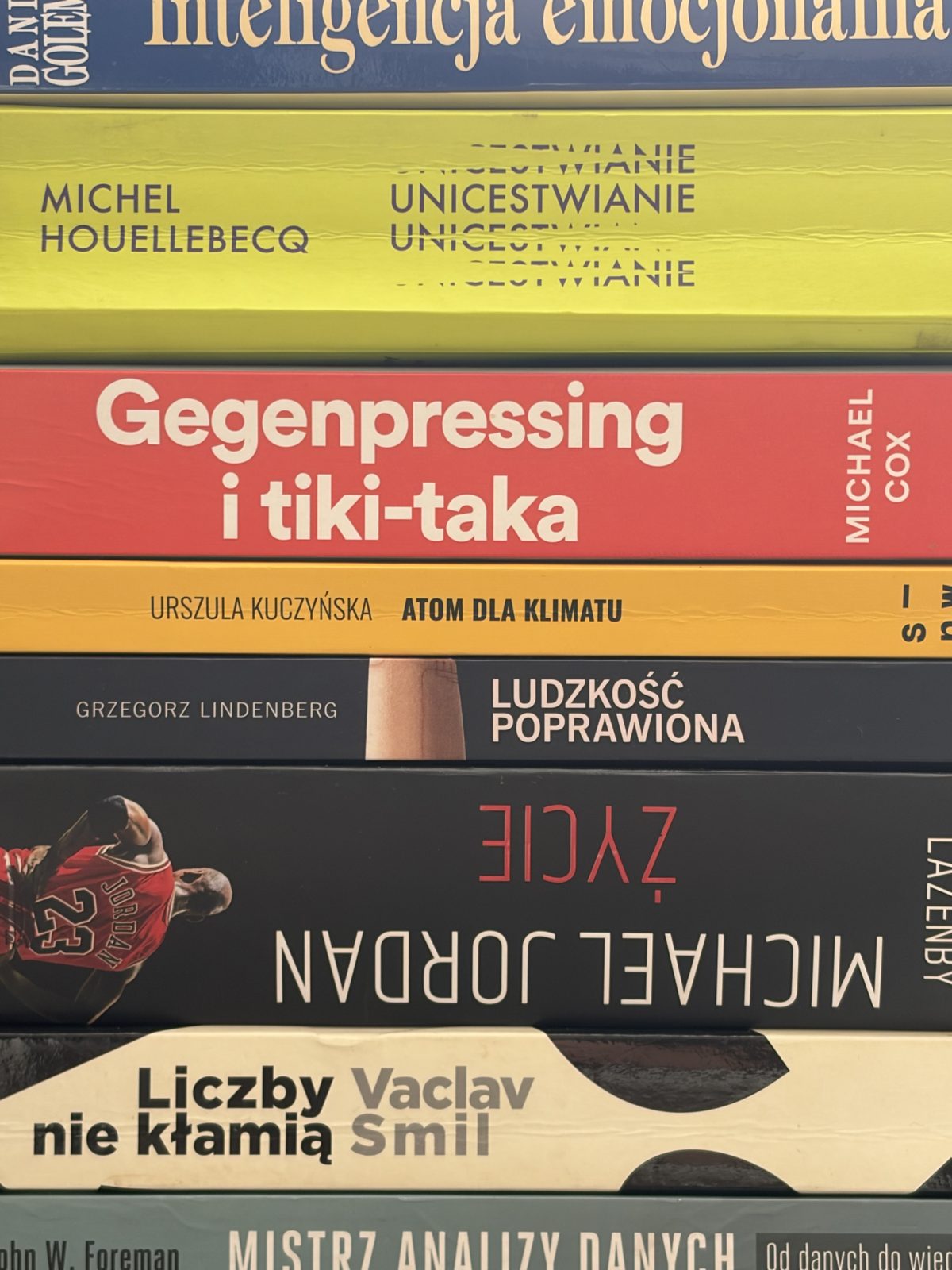
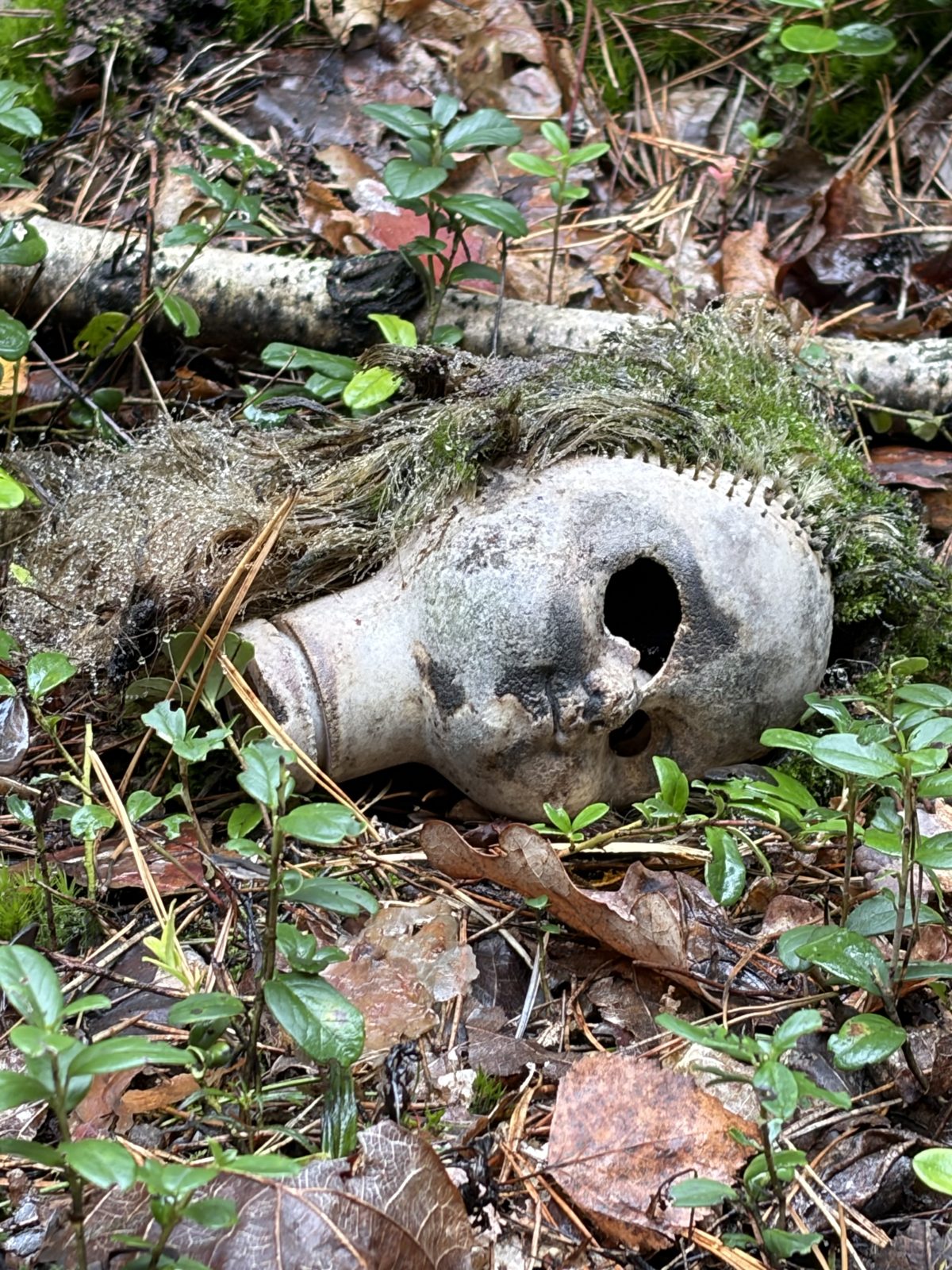
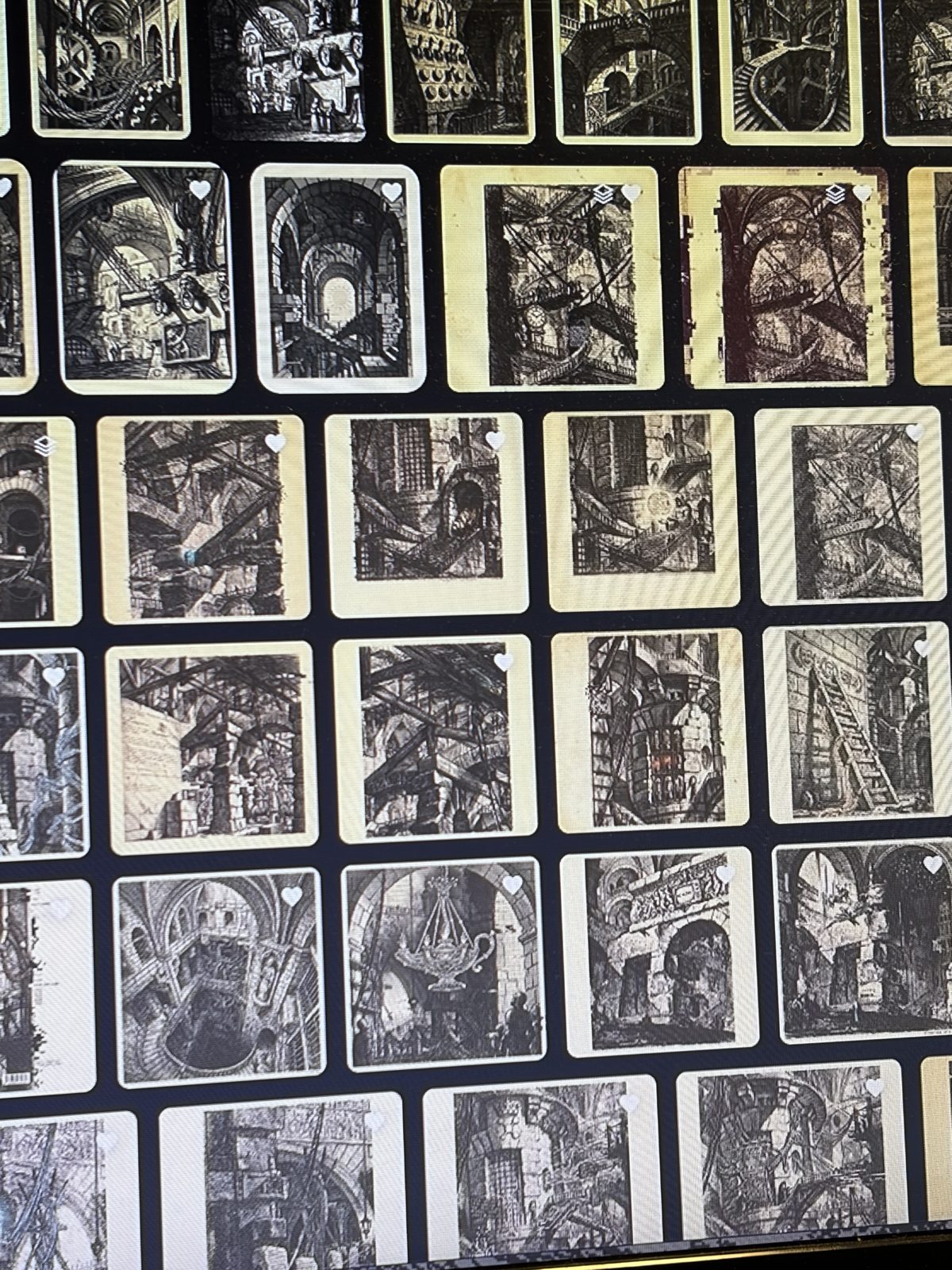
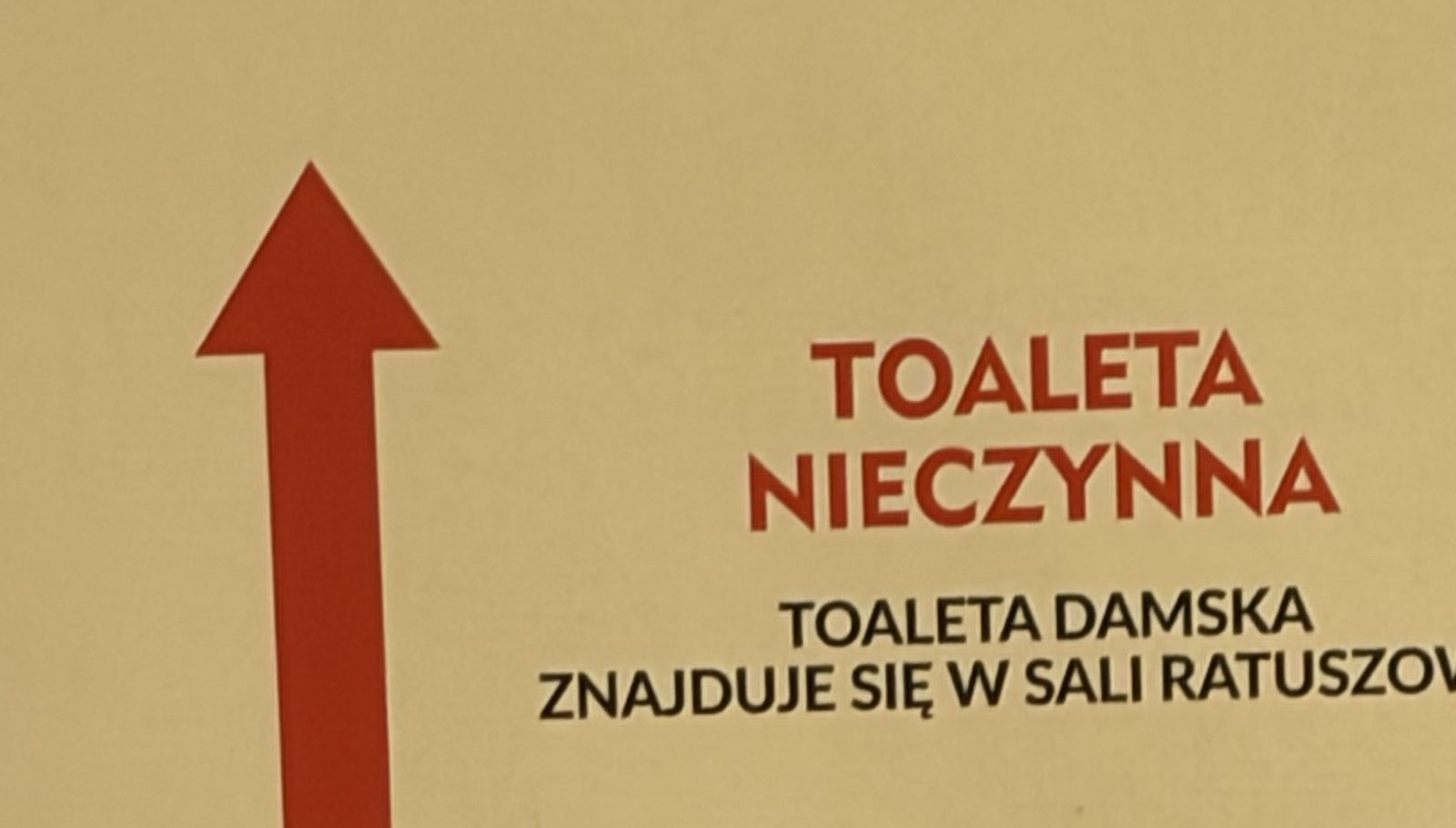
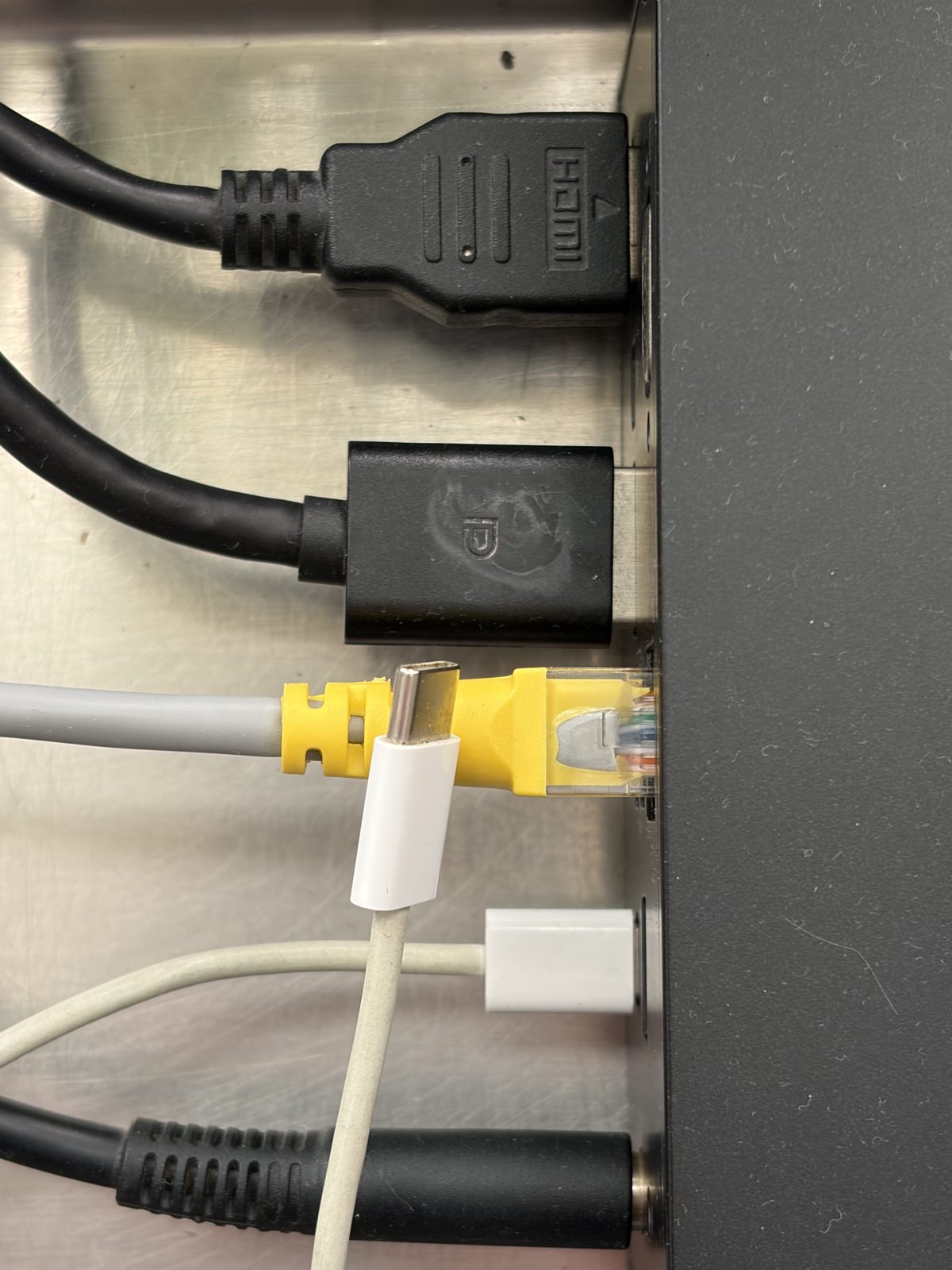
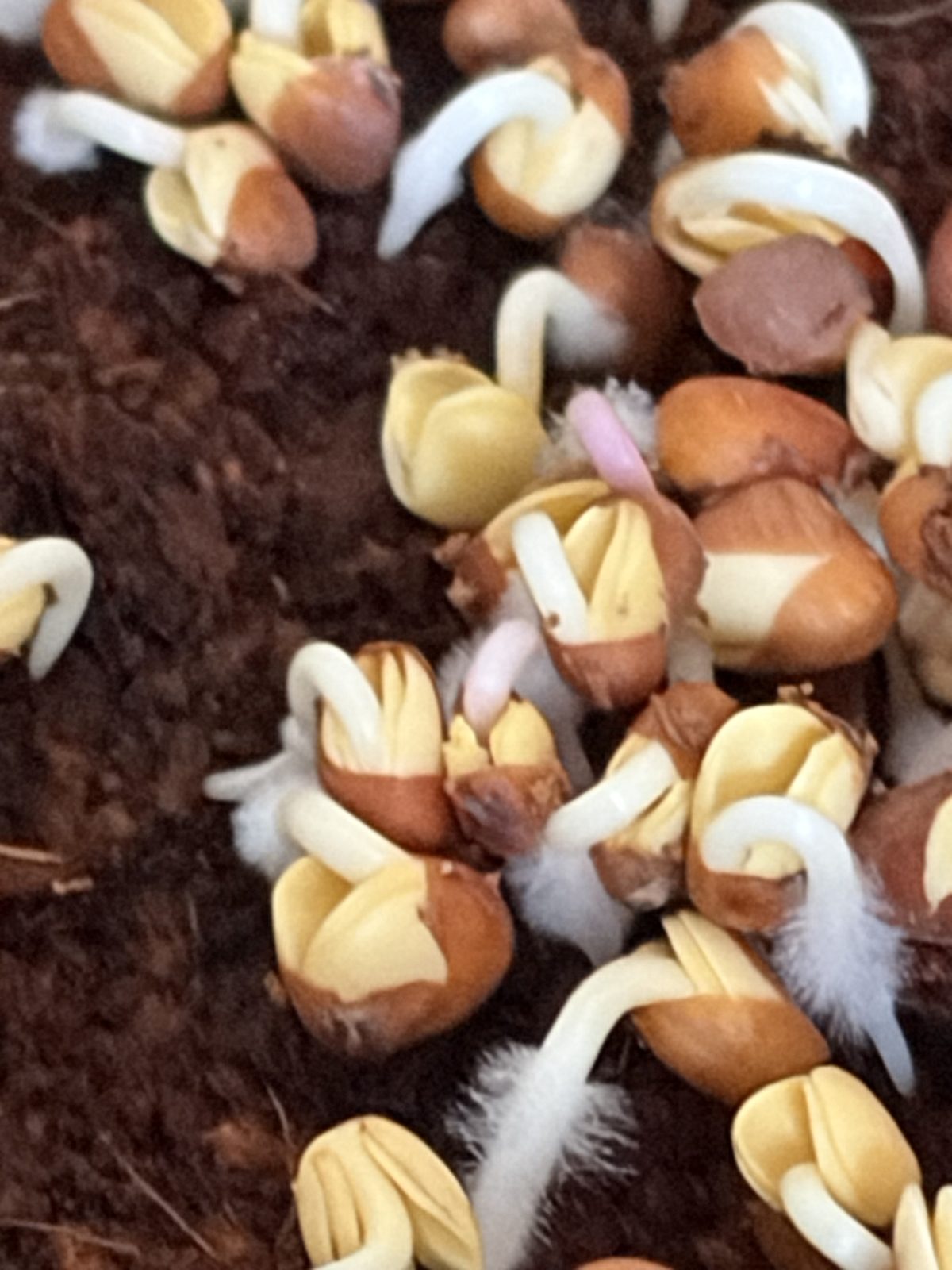
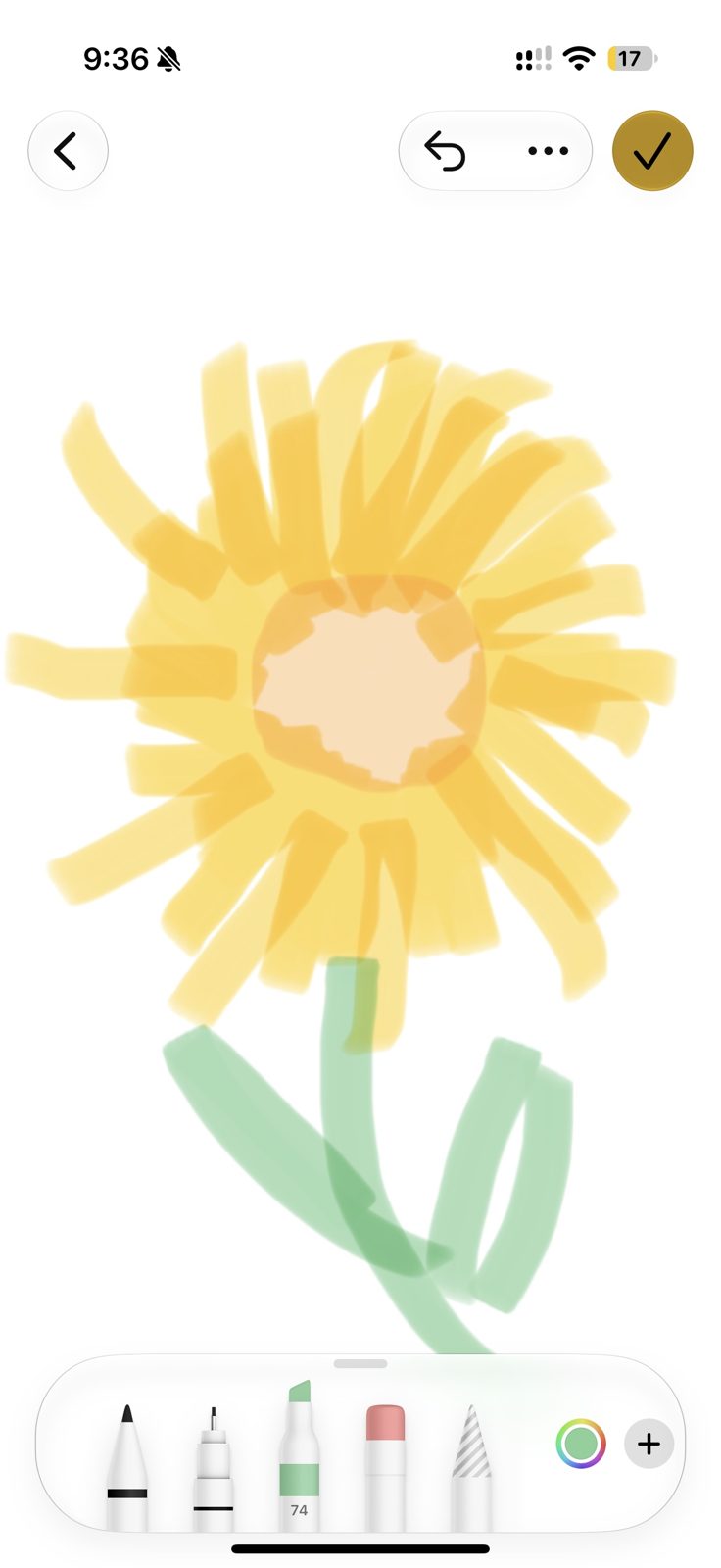
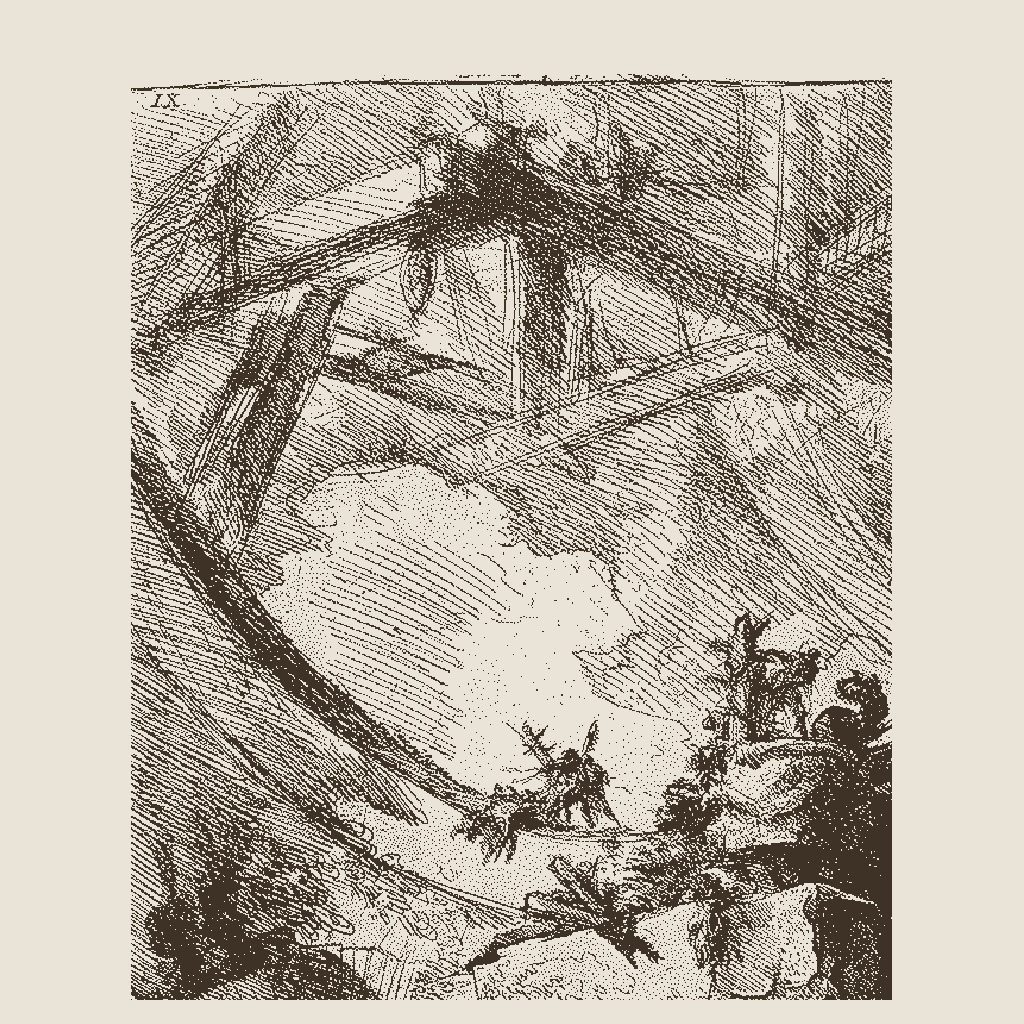
The fourteenth image is the oldest and the most current. Somebody drew a tree people walk on, and captioned it the way you caption an instruction: without emotion, because instructions have none. The stork on the lamp post does not need a tree. It needs height and something that does not move. We need the same thing; we just call it meaning.
Number ledger
| Number | What it measures, on whom, when | Status | Source |
|---|---|---|---|
| 42–43 thousand pairs | breeding pairs of white stork in Poland, international census | measured | PTOP, Stork LIFE brochure, 7th International White Stork Census (2014) |
| 95.9% | households in Poland with internet access, 2024 | measured | GUS, “Information society in Poland 2024,” 21 Oct 2024 |
| 48.8% | people aged 16–74 with basic or above basic digital skills, 2024 | measured | GUS, ibid. |
| 141 | old-age dependency index: people 65+ per 100 children 0–14, as of 31 Dec 2024 | measured | GUS, “Population. Size and structure… 2024” |
| 2.2 million | difference in size between populations 0–14 and 65+, 31 Dec 2024 | measured | GUS, ibid. |
| 1.16 | total fertility rate, 2023 | measured | GUS, “The demographic situation of Poland 2023–2024” |
Get the essence.
New essays and analyses when they appear. No spam, no selling.
Tags